Overview: The Bed, The Body, The Environment
The bed is not merely a place to collapse after a long day. It is a living system that blends support, thermal regulation, allergen exposure, and psychological signals into a single nightly experience. The right mattress, the right base, and the right bedding materials interact with your body’s posture, air flow, and temperature to enable restorative sleep. In today’s wellness discourse, sleep health has moved from a private habit to a public conversation about performance, resilience, and longevity.
In this article, we explore how to assemble a sleep-friendly environment grounded in both practical, testable steps and a broader awareness of material science, design, and health psychology. We’ll consider how different sleep postures influence foundation choices, how natural fibers like linen and organic cotton support temperature and moisture management, and how room factors—light, noise, and climate—shape the chances of falling asleep quickly and staying asleep through the night.
This piece also foregrounds select products that illustrate the intersection of comfort, durability, and sustainability. In a market crowded with options, choosing bedding that respects both the sleeper’s needs and the planet’s resources matters. The goal is not to chase novelty but to cultivate a sleep-ready routine and a bedroom that honors rest as a foundational health practice.
Bedding Materials: Linen, Organic Cotton, and Percale
The fabric that touches your skin every night performs a crucial, almost physiological function. Breathability, moisture management, and low allergen load correlate with how quickly you drift into sleep and how soundly you sleep. Linen, organic cotton, and high-thread-count percale represent three distinct paths to comfort, each with its own ecosystem of care, durability, and environmental footprint.
- Linen stands out for its natural breathability and moisture management. It can absorb up to 20% of its weight in moisture and then release it to the air, helping to regulate temperature without creating a damp sensation. A linen weave tends to feel crisper at first, softening with every wash, and its hypoallergenic properties make it a compelling choice for sensitive sleepers and allergy-prone environments.
- Organic cotton sheets and duvet covers offer a clean, chemical-free option. When paired with GOTS-certification and careful manufacturing practices, organic cotton supports both comfort and a reduced chemical footprint. Organic fibers also tend to be gentle on skin and air, contributing to a calm sleep space.
- Percale sheets—light, crisp, and breathable—can be ideal for warmer sleepers or climates. A percale weave is typically cooler to the touch and offers a fresh feel that helps maintain a comfortable sleeping temperature during the night.
A practical approach to building a sleep environment is to test these materials in layers. Start with a breathable sheet set, then add a duvet cover or a light blanket based on season and personal preference. The right combination can make the difference between a restless night and a night of deep, undisturbed rest.
Product Spotlight
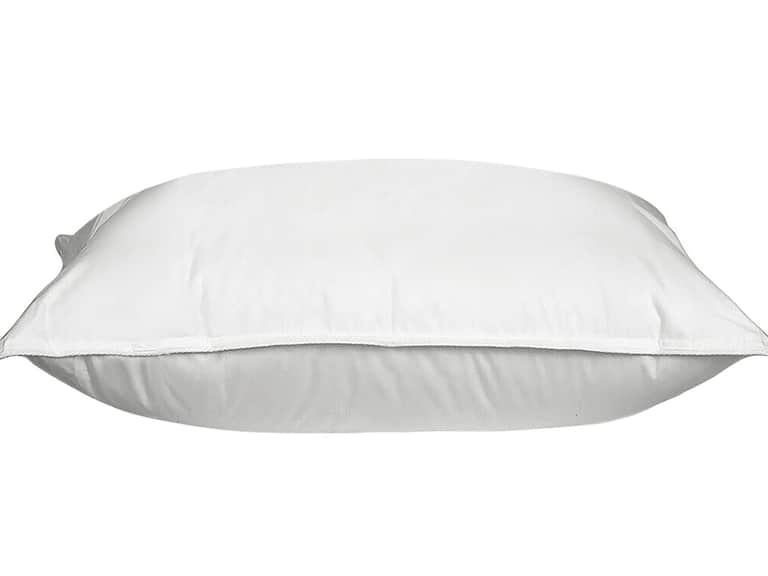
Libeco Santiago Natural Linen Sheets and Pillow Cases by Libeco
Price: $423.00
This set embodies Belgian linen heritage: 100% linen that remains breathable, durable, and naturally comfortable. Libeco notes that flax is a zero-waste crop, with wind-powered production and recyclable fibers. The Santiago line emphasizes the soft, washed finish that linen enthusiasts prize for year-round comfort.
Dimensions (sample): Twin flat 70.5 x 118", Full/Queen flat 94.5 x 118", King flat 106 x 126"; Fitted sheets vary by size. Care: wash at moderate temperature; line dry if possible.
Learn more
Product Spotlight
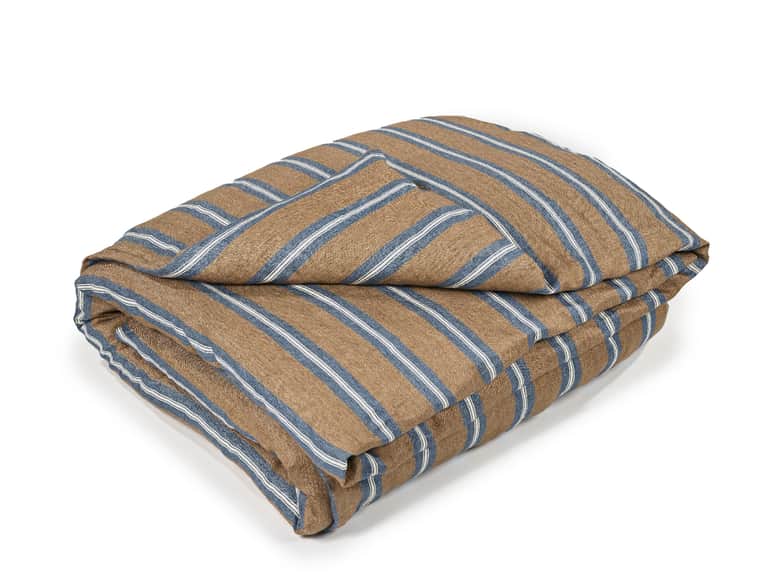
Libeco Salem Linen Duvet Cover and Shams by Libeco
Price: $124.00
The Salem duvet cover introduces bronze, navy, and oyster stripes on a linen canvas, blending classic stripe aesthetics with modern washed softness. It invites a serene yet chic bedroom vibe, while linen’s temperature-regulating properties help maintain comfort through seasonal shifts.
View details
These Libeco pieces reflect a broader industry trend: combining luxury with practical, climate-conscious materials. Linen’s durations, wicking, and softening with washing cycles make it a favorite for readers seeking a sustainable, long-term sleep solution. Organic cotton continues the same thread of environmental mindfulness, offering a non-toxic foundation for rest.
Mattress Foundations and the Sleep Environment
The science of sleep emphasizes the bed as a system: mattress support, base architecture, and the surrounding environment work in tandem to optimize spinal alignment, respiratory comfort, and sensory calm. A well-chosen mattress supports natural alignment, reduces micro-movements that wake the sleeper, and complements breathable bedding to minimize heat retention. A sturdy base, whether traditional or adjustable, can adjust elevation and position to suit individual sleep posture, promoting less morning stiffness and more restorative cycles.
Beyond furniture, the room’s climate is a silent actor. Light-blocking curtains, white noise, and stable ambient temperature (typically in the cool to moderate range for many sleepers) support sleep onset and maintenance. A room that feels calm—free from glaring light and disruptive sounds—establishes a nightly rhythm and signals to the brain that it is time to wind down.
A practical approach is to couple a tested mattress with a washable, hypoallergenic mattress protector. This combination protects the investment while maintaining breathability and minimizing allergens that can disrupt sleep. The result is a foundation that not only supports the body but also creates a sleep sanctuary that reduces night-time awakenings.
Starter Sleep Kit
- Test multiple mattresses to determine support and alignment needs.
- Pair with a washable, hypoallergenic mattress protector to guard against spills, dust mites, and allergens.
- Choose breathable bedding (linen, or organic cotton) to optimize temperature regulation.
Room Environment Tactics
- Block or dim ambient light in the bedroom to support natural melatonin production.
- Use white-noise or a quiet environment to reduce micro-awakenings from external sounds.
- Maintain a cool, stable temperature and avoid bed covers that trap heat.
The goal is a simple, adaptable regimen: commit to a bed setup that respects the body’s signals for comfort, keep textiles breathable and easy to care for, and design a room that invites sleep rather than stimulating wakefulness. The better your sleep environment, the more consistent your sleep rhythm—and the broader health benefits across mood, cognitive function, appetite regulation, and immune resilience.
Three Figures, Three Times: Sleep Wisdom Across Ages
To understand sleep as a health practice, consider three thinkers who illuminated the concept from distinct eras. Their perspectives—though separated by centuries—point to a shared idea: sleep is not a passive act but a dynamic process shaped by biology, environment, and culture.
Hippocrates (c. 460–370 BCE)
Ancient Greek physician
Hippocrates emphasized balance and health as a holistic state, laying early groundwork for viewing sleep as a restorative, life-sustaining practice. His approach linked bodily humors, daily rhythms, and rest as integral to overall wellness. While the science of sleep was primitive by today’s standards, the core idea—that sleep is foundational to health—echoes through medical thought for centuries.
Nathaniel Kleitman (1895–1969)
Pioneer of modern sleep research
Kleitman co-founded the first sleep laboratory in the 1920s and co-discovered the rapid eye movement (REM) sleep phenomenon, a landmark in understanding sleep architecture. His meticulous experimentation with sleep patterns laid the empirical groundwork for the modern sleep science field, highlighting the cyclical nature of sleep stages and their relevance to health, memory consolidation, and alertness.
Matthew Walker (b. 1970s)
Contemporary sleep scientist and author
Walker’s work synthesizes physiology, psychology, and lifestyle, making sleep science accessible to broad audiences. His writings, including Why We Sleep, emphasize practical steps—consistent bedtimes, temperature control, protective sleep environments, and high-quality bedding—that translate laboratory findings into everyday routines. He frames sleep as a public health issue with far-reaching implications for longevity and cognitive functioning.
Together, these figures remind us that sleep is both ancient and modern in its relevance. The bed is an architectural stage where biology, design, and discipline converge. As contemporary readers seek healthier lives, the convergence of material science, comfortable textiles, and thoughtful room design becomes a practical pathway to wellness.
Editorial Reflections: A Time-Style Look at Sleep and Society
The bed is a mirror of society’s evolving relationship with rest. In an era of 24/7 connectivity, the ritual of winding down has become both a personal discipline and a public conversation about workplace culture, school start times, and mental health. The comfort of a well-made bed—graceful lines, breathable fabrics, a mattress that respects posture—can be a quiet act of self-respect in a noisy world. In the pages that follow, we’ve woven science with storytelling, technology with tenderness, and design with duty.
Consider this: a bed that breathes, a sheet set that remains cool under the weight of midsummer heat, a duvet that drapes like a soft harbor after a long day. These are not merely niceties; they are health interventions. The sleep that follows is not a luxury but a prerequisite for emotional regulation, learning, immune response, and metabolic balance. If you accept sleep as a daily anchor, then your bed—like a trusted ally—deserves careful attention.
Practical Tips for a Sleep-Healthy Bedroom
- Choose a mattress and base that support your preferred sleep posture. If you sleep on your side, focus on pressure relief in the shoulders and hips; back sleepers may prioritize spinal alignment; stomach sleepers often need more support to reduce neck strain.
- Opt for breathable bedding—linen or organic cotton—especially if you tend to overheat at night. A high-quality duvet cover and pillowcases made from these fabrics help regulate temperature and maintain comfort throughout the night.
- Invest in a washable, hypoallergenic mattress protector to extend the life of your mattress and reduce allergen exposure. Regular washing keeps the sleep space clean and comfortable.
- Control room factors: block external light, minimize noise disruptions, and maintain a cool, consistent temperature. A calm environment reduces wake-ups and supports deeper sleep cycles.
- Develop a simple bedtime routine that signals to your body that it’s time to sleep. Consistency matters as much as the materials and layout of the bed itself.