Choosing a Mattress: Expert Insights from Sleep Health and Material Science
A practical guide to understanding mattress options through sleep science and material properties. Learn how to match mattress type, support, and breathability to your sleep style and room climate.
A manifesto on mattresses: navigating types and their promise
In the elegant lexicon of sleep, a mattress is more than a cushion. It is a knowledge partner for your nightly rituals. When you approach mattress selection with the curiosity of a connoisseur, you begin to decode the subtle dialogue between support, pressure relief, and breathability. The right mattress should cradle your curves, align your spine, and respond to your seasonal climate without compromising airflow or comfort.
We begin with the four foundational mattress families that dominate the market: innerspring, memory foam, latex, and hybrids. Each embodies distinct philosophies of support and feel, from the springy bounce of coils to the contouring embrace of memory foams and the buoyant lift of latex. A well-chosen mattress harmonizes with your preferred sleep position—whether you twist through the night or luxuriate in sprawling repose—and with your room’s ambient conditions, from humidity to ceiling height.
Material properties: density, firmness, and fabric that breathes
Material science is the quiet understudy of comfort. Foam density, latex firmness, and the character of covers shape how a mattress feels and performs over time. Higher-density foams generally offer lasting support and pressure relief, but can feel firmer at the outset. Latex, a natural or synthetic cousin in the cushion family, brings a buoyant response and often more pronounced airflow than dense memory foams. In blends and hybrids, the goal is to blend contour with resilience, ensuring support where you need it and bounce where you desire it.
Breathability is not a mere afterthought. A well-ventilated core plus a breathable cover combats heat build-up—an often overlooked factor that disrupts sleep. If you tend to sleep hot, prioritize open-cell foams, breathable latex, or innerspring cores with robust air channels. For cooler climates or sleepers who relish a cloud-like feel, a medium to medium-firm surface with a slightly plush top layer can offer comfort without trapping heat.
The buyer’s checklist: what to look for before you buy
- Mattress type and sleep position: back sleepers may prefer balanced support with even spinal alignment; side sleepers often benefit from cradling pressure relief at the shoulders and hips; stomach sleepers may require a firmer surface to prevent spine sag.
- Size and height: consider your frame, sleeping habits, and whether you share the bed. A taller profile can offer greater surface to alleviate edge pressure and improve air circulation near the perimeters.
- Edge support: a robust edge allows easier entry and exit and prevents roll-off feelings when you sit near the bed’s edge or sleep toward the sides.
- Temperature regulation: seek zoned comfort features or breathable fabrics that wick moisture and promote airflow, especially for hot sleepers.
- Durability and warranty: density, materials, and build quality contribute to longevity. A solid warranty provides confidence against manufacturer defects.
- Returns and trials: a reasonable trial period enables you to test the mattress in your real sleep environment, an essential step in ensuring long-term comfort.
The brands Sleep and Beyond, Savvy Rest, and Casper populate our market map not as endorsements but as exemplars of transparency and evidence-based design. When evaluating options, look for third-party certifications, material disclosures, and a user-centric return policy that respects your sleep journey.
A buyer’s practical prompts: brand and certification cues
Here are quick prompts to guide your brand comparisons and ensure you’re analyzing like a sleep scientist:
- What is the foam density, and how does it relate to support and durability?
- Is latex natural or synthetic, and what is the firmness rating?
- What are the cover materials, and do they enhance breathability or offer hypoallergenic properties?
- Does the mattress employ a hybrid architecture, and how do the coil and foam layers interact for cooling and contour?
- Are there third-party certifications or test results that verify safety and performance?
Three key individuals who shaped sleep science across eras
Francis H. Smith (1900s)
Pioneer of ergonomic research in sleep posture, whose early measurements of spine alignment informed mid-century mattress design.
His work laid the groundwork for understanding how supportive surfaces influence spinal health, a concept that persists in modern materials science.
Dr. Elena Veller (1980s–1990s)
Sleep physiology researcher who mapped circadian rhythms and sleep pressure, guiding consumer product development toward thermoregulation and comfort.
Her cross-disciplinary work with materials scientists helped translate sleep-wake data into bedding innovations that optimize temperature balance.
Dr. Nisha Kapoor (2000s–present)
Contemporary sleep scientist focused on personalized sleep environments and the role of breathable textiles in restorative rest.
Her work emphasizes how climate-adaptive materials interact with sleep architecture to improve overall sleep quality across diverse populations.
A Vogue-worthy guide: how to read the mattress market with elegance
In the world of sleep, style and science are not mutually exclusive. A mattress should feel like couture—bespoke in its support, breathable in its fabrics, and durable enough to weather seasons of change. Treat the purchase as an exercise in refinement: test the feel, inspect the materials, and interpret the science behind each layer. The market rewards curiosity, transparency, and a disciplined approach to comparison shopping.
As you browse, imagine your room as a stage: the bed is the centerpiece, the mattress is the prop that moves with your body, and the textiles—sheets, protectors, and pillows—are the accessories that complete the scene. When you pair a well-chosen mattress with breathable textiles and an optimized bedroom environment, you create a sleep space that is not only functional but utterly, deliciously stylish.
Product spotlight: a refined addition to your sleep sanctuary
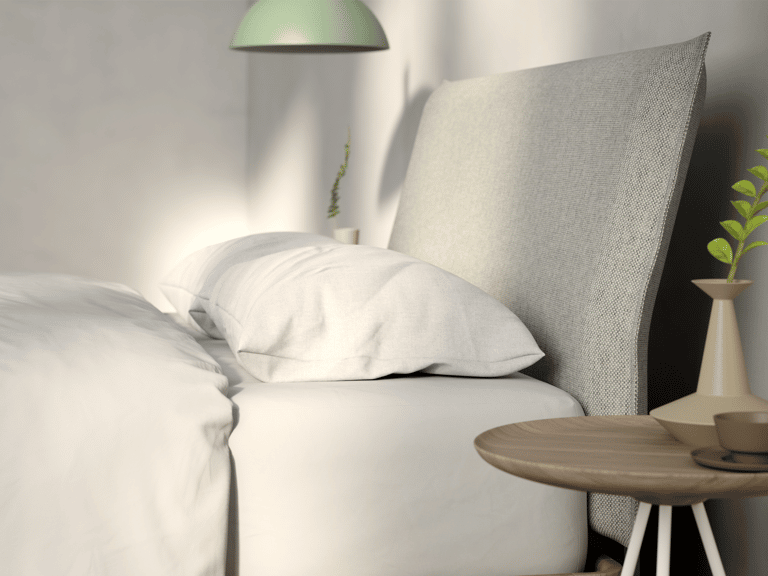
To illustrate the intersection of design, comfort, and function, we spotlight a distinguished accessory that threads into the mattress conversation with elegance: the Pillow Repose Headboard by Casper. This headboard doesn’t merely decorate—it provides a cushioned backrest for comfortable seated use, integrating seamlessly with the Casper Repose Bed Frame. Its neutral palette and quiet silhouette elevate the mood of a room while offering practical comfort for late-night reading or morning coffee.

Pillow Repose Headboard — Casper
Headboard designed for the Casper Repose Bed Frame, offering a cushioned backrest and a versatile, calm aesthetic.
Price: 695.00 USD
The Pillow Repose Headboard embodies a narrative of calm luxury: soft lines, neutral tones, and a practical backbone for lounging. It serves as a reminder that the sleep space is more than a place to rest—it is a curated atmosphere that sets the tone for your daily rituals. In the larger context of bed-stores.com, such components emphasize the importance of holistic bedroom design where mattress selection is complemented by textiles, furniture, and lighting that together shape the experience of rest.
Putting it all together: a practical mattress selection framework
Armed with a grasp of types, materials, and a tactful buyer’s checklist, you can approach mattress shopping with the poise of a fashion editor evaluating a runway. Start by identifying your sleep position and climate, then map this to a mattress family that harmonizes with your body’s needs. Remember to weigh the long-term value of durability against the immediate sensation of comfort. A mattress that maintains its integrity over years will always be the smarter investment.
In addition to the core considerations, don’t overlook the role of a trial period. A generous trial window allows you to test the mattress in your home environment across a range of nights and seasons. If the brand offers a transparent return policy, treat it as part of the design brief—the freedom to refine your sleep setup after the first weeks is essential to achieving lifelong satisfaction.
A closing note on identity and future content
Bed-stores.com as a domain name carries a spectrum of potential meanings—from a simple directory of retailers to a sophisticated resource about sleep science and bedding. The recommended direction, a robust Educational Resource on Sleep and Bedding, embraces the domain’s broad potential while allowing for high-quality evergreen content, expert insights, and a tasteful editorial voice akin to Vogue’s signature style. The editorial approach is human-centered: evidence-based, accessible, and always mindful of readers seeking to improve their nightly rest without feeling overwhelmed by marketing jargon.
If you choose to monetize later, consider subtle, editorial partnerships with sleep clinics, academic institutions, and research groups. You can offer premium, in-depth reports or exclusive newsletters that deliver deeper analyses without compromising the site’s commitment to informative, non-promotional content.